

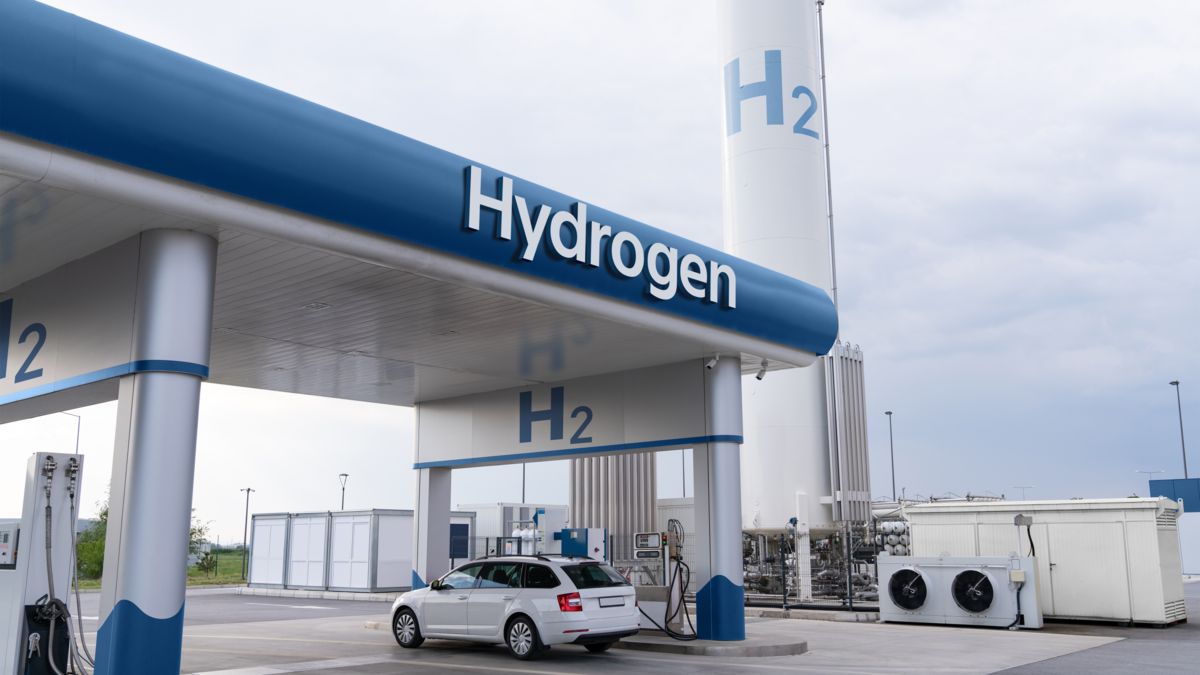
As hydrogen fueling infrastructure expands across Europe, fuel retailers face a new set of safety challenges that differ fundamentally from conventional liquid fuels. Understanding these differences is not just a regulatory requirement: it is essential for protecting employees, customers, and the long-term viability of hydrogen as a retail energy product.
The Hydrogen Opportunity
Hydrogen-powered vehicles are no longer a distant concept. With major OEMs committing to fuel cell electric vehicles (FCEVs) for heavy-duty transport, the demand for retail hydrogen fueling is accelerating. The European Commission's Alternative Fuels Infrastructure Regulation (AFIR) mandates hydrogen refueling stations every 200 km along the TEN-T core network by 2030, creating both an opportunity and an obligation for fuel retailers.
For retailers already operating multi-fuel forecourts, adding hydrogen is a logical next step. But hydrogen's physical and chemical properties require a fundamentally different approach to safety management compared to petrol, diesel, or even LPG.
Key Safety Differences: Hydrogen vs. Conventional Fuels
Hydrogen presents unique safety characteristics that every fuel retailer must understand before entering this market:
Extremely wide flammability range. Hydrogen is flammable in air at concentrations between 4% and 75%, compared to petrol's 1.4% to 7.6%. This means that even small leaks can create ignitable mixtures in enclosed or semi-enclosed spaces.
Invisible flame. A hydrogen flame is nearly invisible in daylight conditions. Traditional visual detection methods used for hydrocarbon fires are ineffective. Specialized UV/IR flame detectors are required at hydrogen dispensing areas.
Extreme storage pressures. Retail hydrogen is typically stored at 350 or 700 bar, roughly 10 to 20 times the pressure of a standard CNG installation. This creates different risks around equipment integrity, pressure relief systems, and exclusion zones.
Rapid diffusion. Hydrogen disperses extremely quickly in open air, which actually reduces explosion risk in well-ventilated outdoor settings. However, in any enclosed or partially enclosed structure, including canopy designs common at forecourts, this advantage diminishes significantly.
Regulatory Landscape
The regulatory framework for retail hydrogen fueling in Europe is still maturing. Key standards include:
- ISO 19880-1: The international standard for gaseous hydrogen fueling stations, covering design, construction, and operation requirements.
- EN 17127: The European standard for outdoor hydrogen fueling points, specifying safety distances and equipment requirements.
- ATEX Directive (2014/34/EU): Equipment and protective systems intended for use in potentially explosive atmospheres must be ATEX certified, with hydrogen classified as IIC (the most demanding gas group).
- Seveso III Directive: Depending on stored quantities, hydrogen installations may trigger upper-tier Seveso reporting requirements, with associated safety management obligations.
National implementations vary. Germany's BImSchG framework, for example, imposes additional requirements beyond the EU baseline, while France's ICPE classification system takes a different approach to permitting. Retailers operating across multiple countries must account for these differences in their safety management systems.
Practical Recommendations for Fuel Retailers
Based on SECU-TECH's experience advising fuel logistics operators across Europe, we recommend the following approach for retailers considering hydrogen:
1. Invest in specialized training early
Do not assume that existing forecourt safety training covers hydrogen adequately. Staff need specific training on hydrogen properties, leak detection protocols, emergency response procedures, and the operation of pressure relief devices. This training should be refreshed annually at minimum.
2. Redesign your safety management system
Your existing SMS likely addresses liquid fuel risks. Hydrogen requires updated risk assessments covering new failure modes: high-pressure seal degradation, embrittlement of metallic components, ventilation adequacy under canopy structures, and cold-temperature hazards from cryogenic hydrogen.
3. Plan exclusion zones carefully
Hydrogen dispensers require larger safety distances from buildings, property boundaries, and other fuel dispensing points compared to petrol or diesel. EN 17127 provides guidance, but site-specific risk assessment may require larger zones depending on your forecourt layout and local conditions.
4. Install appropriate detection systems
Hydrogen leak detection requires either catalytic bead sensors, electrochemical cells, or thermal conductivity detectors positioned at strategic points. Conventional hydrocarbon detectors will not detect hydrogen. Flame detection must use UV/IR technology rather than standard optical systems.
5. Engage with your insurer early
Insurance coverage for hydrogen installations is still an evolving area. Engage your insurer during the planning phase, not after construction. Many insurers will require independent third-party safety assessments before providing coverage, and the requirements may differ significantly from standard forecourt policies.
Looking Ahead
Hydrogen at the forecourt represents a significant opportunity for fuel retailers willing to invest in the necessary safety infrastructure and expertise. The technology is proven, the regulatory framework is developing, and customer demand is growing.
The retailers who succeed will be those who treat hydrogen safety not as a compliance burden, but as a core operational competency. This means investing in people, processes, and equipment that are specifically designed for hydrogen's unique characteristics, rather than attempting to adapt existing liquid fuel safety approaches.
SECU-TECH will continue to publish practical guidance for fuel logistics operators in this column. In our next article, we will examine the ADR 2025 updates and their specific implications for dangerous goods transport in Europe.